Historic semi-abstracted landscapes: 1986-1990
Step into the past with Chris Wilkie's early works, where abstract expressionism meets the ancient maunga and landforms of Aotearoa. Discover the powerful stories embedded in each brushstroke.
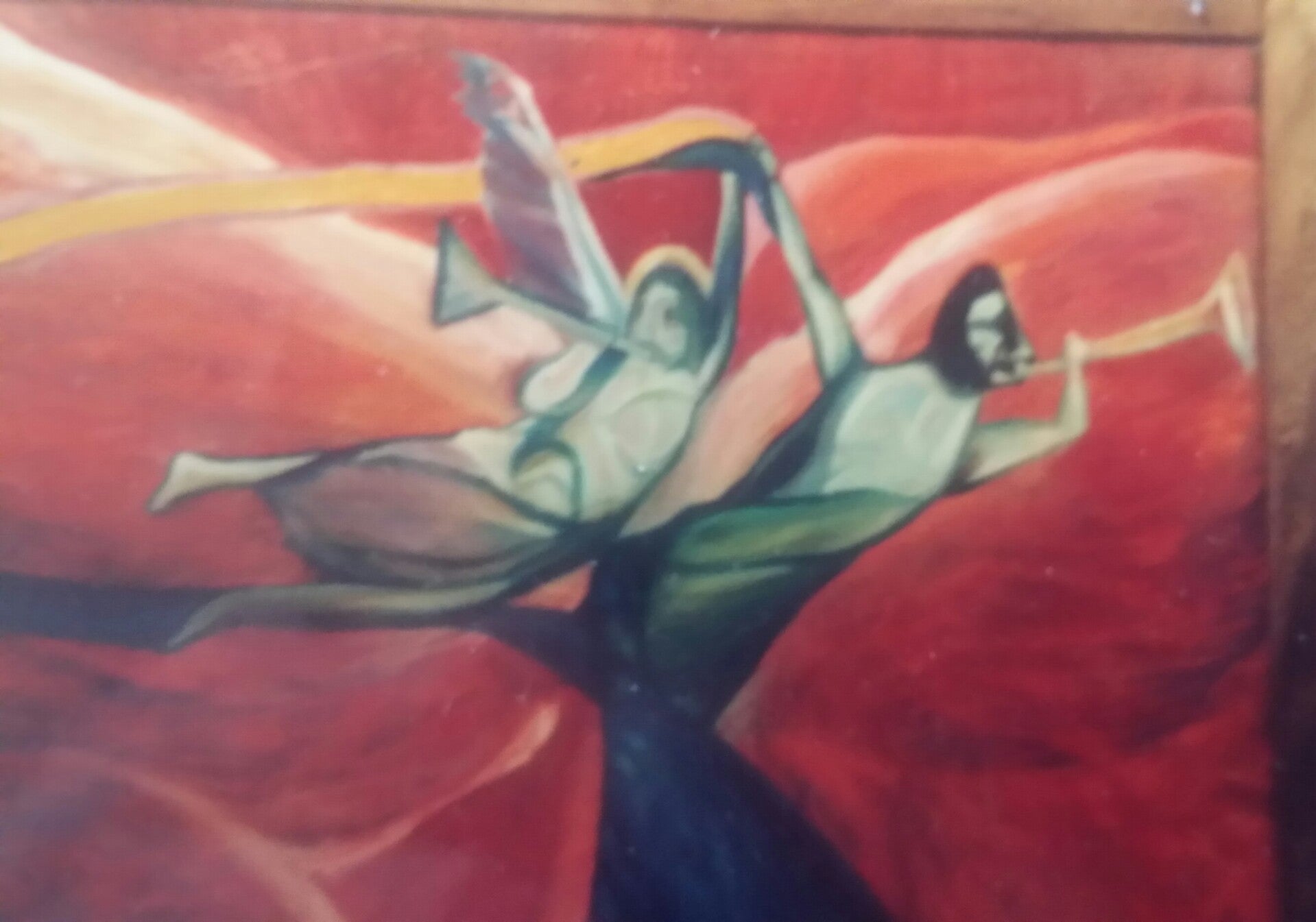
Echoes of the land: A personal journey
These early pieces by Chris Wilkie, created between 1986 and 1990, reflect a profound period of artistic evolution. Still influenced by the prevalent Abstract Expressionism from his first degree (1975-79, Elam School of Fine Arts, University of Auckland, NZ), Wilkie's art began to intertwine with his new surroundings.
Having moved with his young family to Hukerenui, a tiny hamlet north of Whangārei city, he found himself enveloped by ancient maunga and landforms deeply connected to his Māori wife's ancestry. This environment sparked a pseudo-historical interest and expression, aligning with the artist's post-art school predilections.
Every work from this period seamlessly integrates surface and gesturalism, delving into problematic social histories with raw power.
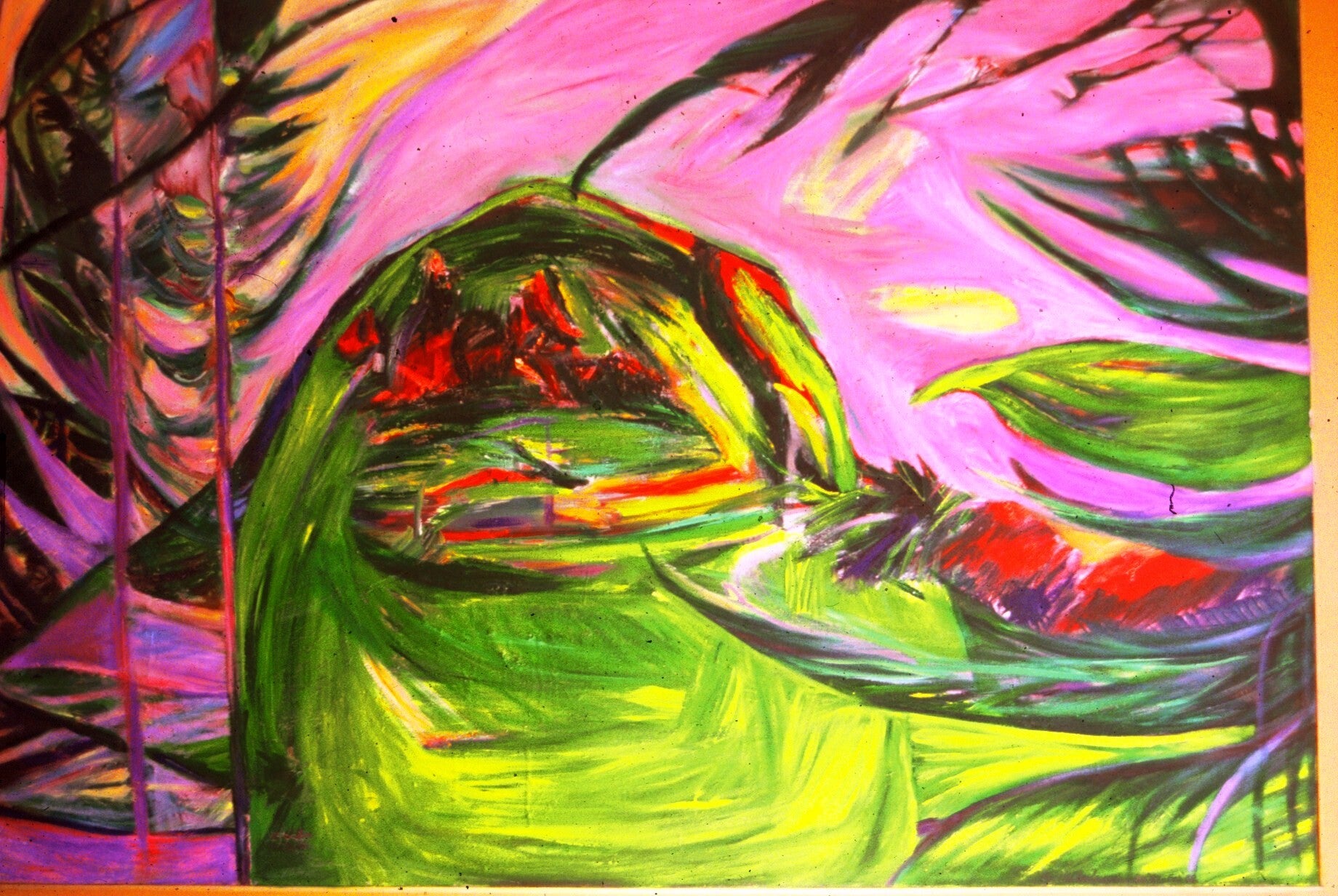
A distinctive artistic signature
What makes these particular landscapes truly special? They are a rare convergence of various artistic elements that set them apart. Buyers of this work will be fascinated by their rich mixture of dense, painterly marks that give each piece a profound depth.
A strange chiaroscuro, reminiscent of the classic masters like Rembrandt and Caravaggio, infuses the artist's works with a powerful atmosphere, drawing viewers into their mysterious depths.
Furthermore, these pieces exhibit a modernist attention to surface detail and density, showcasing a keen knowledge of Hoffman's "push-and-pull" methodology.
Their intricate detailing is rare in today's post-Duchampian art world, offering a unique and compelling experience for the discerning collector. Mark Rothko died searching for a subject in his increasingly-removed, ambient canvases. Wilkie found his subject, seamlessly fusing the balanced control of a master artist, with a fresh and youthful vigour.
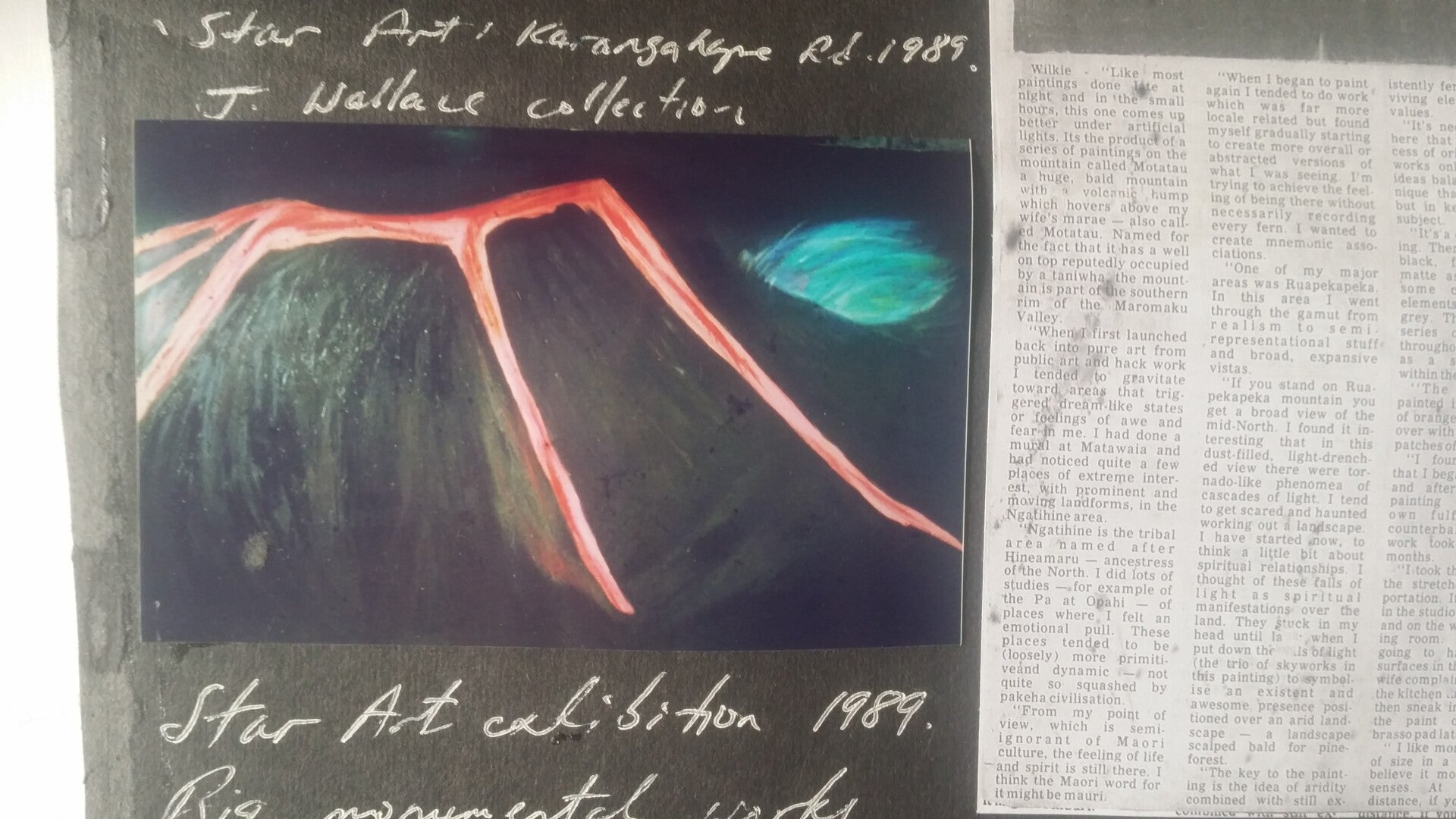
Collecting a piece of history
These works appeal to collectors who value art that transcends mere aesthetics, offering a rich narrative and profound technical mastery.
They appreciate the complexity of dense, painterly marks and the dramatic play of light and dark, a chiaroscuro that evokes the classic masters.
Collectors who acquire these pieces are drawn to the modernist attention to surface detail and density, understanding the intricate "push-and-pull" of Hoffman's methodology. In a contemporary art landscape often characterized by minimalism, the intricacy of detailing in Wilkie's early works stands out, offering a rare and valuable addition to any collection.
They seek art that provokes thought, reveals history, and offers a unique aesthetic experience.